New technology
Contact lenses help people see in the dark?
Wearing a pair of lightweight infrared contact lenses to look in the night - hearing this is probably only in action spy movies.
Browse ScienceInfo articles and explainers related to Contact Lens.
58 published items.
Wearing a pair of lightweight infrared contact lenses to look in the night - hearing this is probably only in action spy movies.
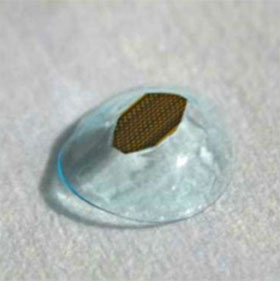
An advanced contact lens developed by Professor Zeev Zalevsky of Bar-Ilan University in Israel will allow the blind to read Braille.
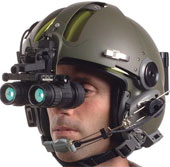
The campaign to destroy Bin Laden has revealed quite a few new weapons technology of the US special forces, from invisibility helicopters to night vision lenses.
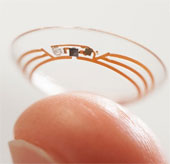
When it comes to Google and an eye-related product, we probably think of Google Glass.
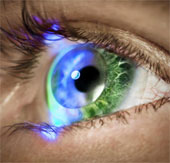
The CES 2014 event in Las Vegas will see the introduction of intelligent contact lenses, which will provide high-resolution virtual displays to users.

European and American scientists say the invention of a new type of contact lens, if used with special glasses, can bring telescopic vision to the wearer.
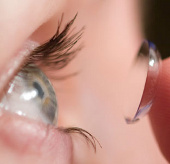
When you wear contact lenses from a Belgian university, your eyes can receive text messages and images from your mobile phone.
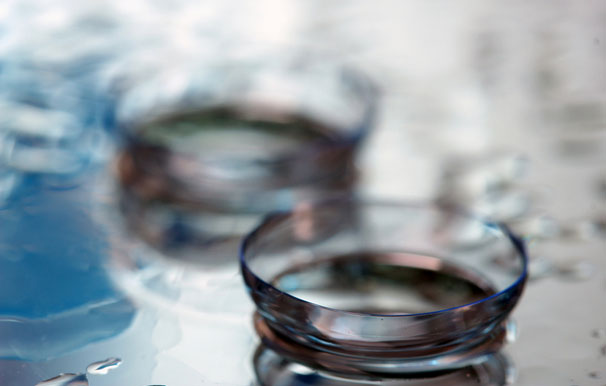
In the past, diabetics had to check their blood sugar levels by taking blood samples. However, when the insulin levels are elevated, not only the blood glucose levels in…
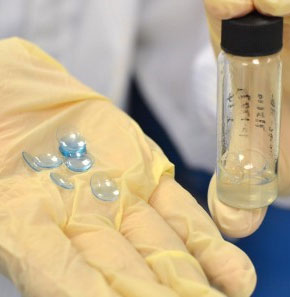
Under the microscope, the structure of the polymer coating is like a sponge. Positive charge on the surface of the mantle will attract bacteria like a magnet because the…
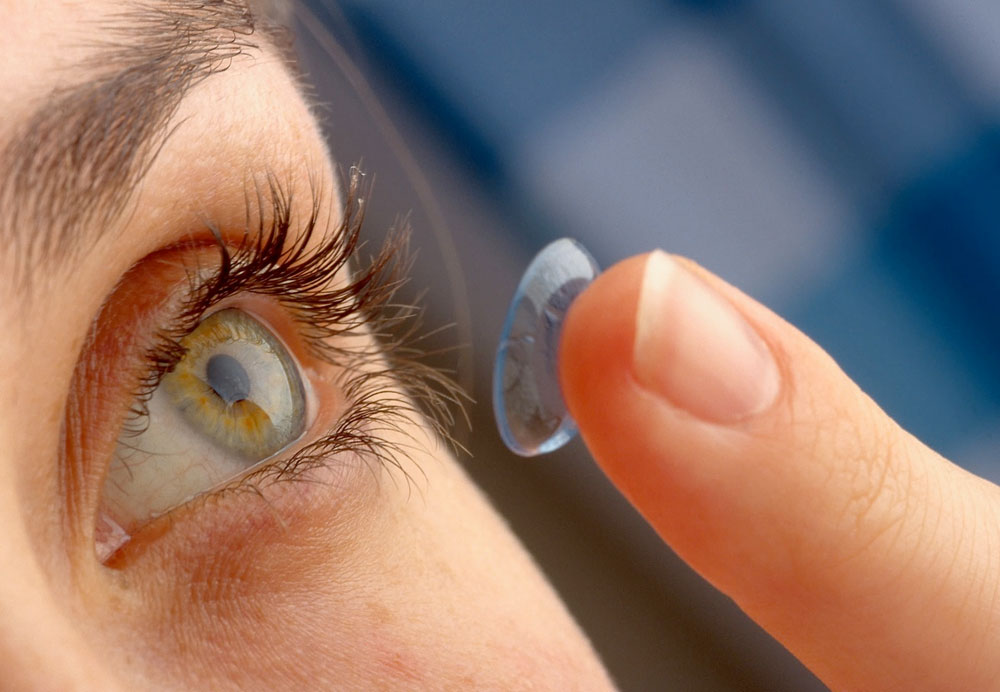
Professor Babak Parviz and colleagues at the University of Washington are working to develop a contact lens that can connect to the internet, receive and display informa…

A breakthrough technology will help diabetics measure blood glucose without having to draw blood every day.

Contact lenses integrated LED screen, can display more graphical information, is gradually stepping from fiction movies to real life.

Contact lenses are not just vision correction lenses, but they can also cure eye diseases in the future, according to US scientists.